

Mineral SPF for safe sun exposure
Unfortunately, most SPF’s you will find in supermarkets and pharmacies are not supportive to human and environmental health. Some UV filters have been shown to penetrate the skin and enter the bloodstream, with studies detecting them in blood plasma, urine, breast milk and other tissues after regular use. While the full health implications are still being researched, concerns about hormone disruption and irritation in children and sensitive skin are not going anywhere. There are major concerns from an environmental perspective too, with researchers estimating that 6,000–14,000 tonnes of UV filters are released into coral reef zones annually.
Some links contained in this article are affiliate links. You will pay no more money, but we may reciece a small commission. If you shop through our links - thank you. Every little helps!
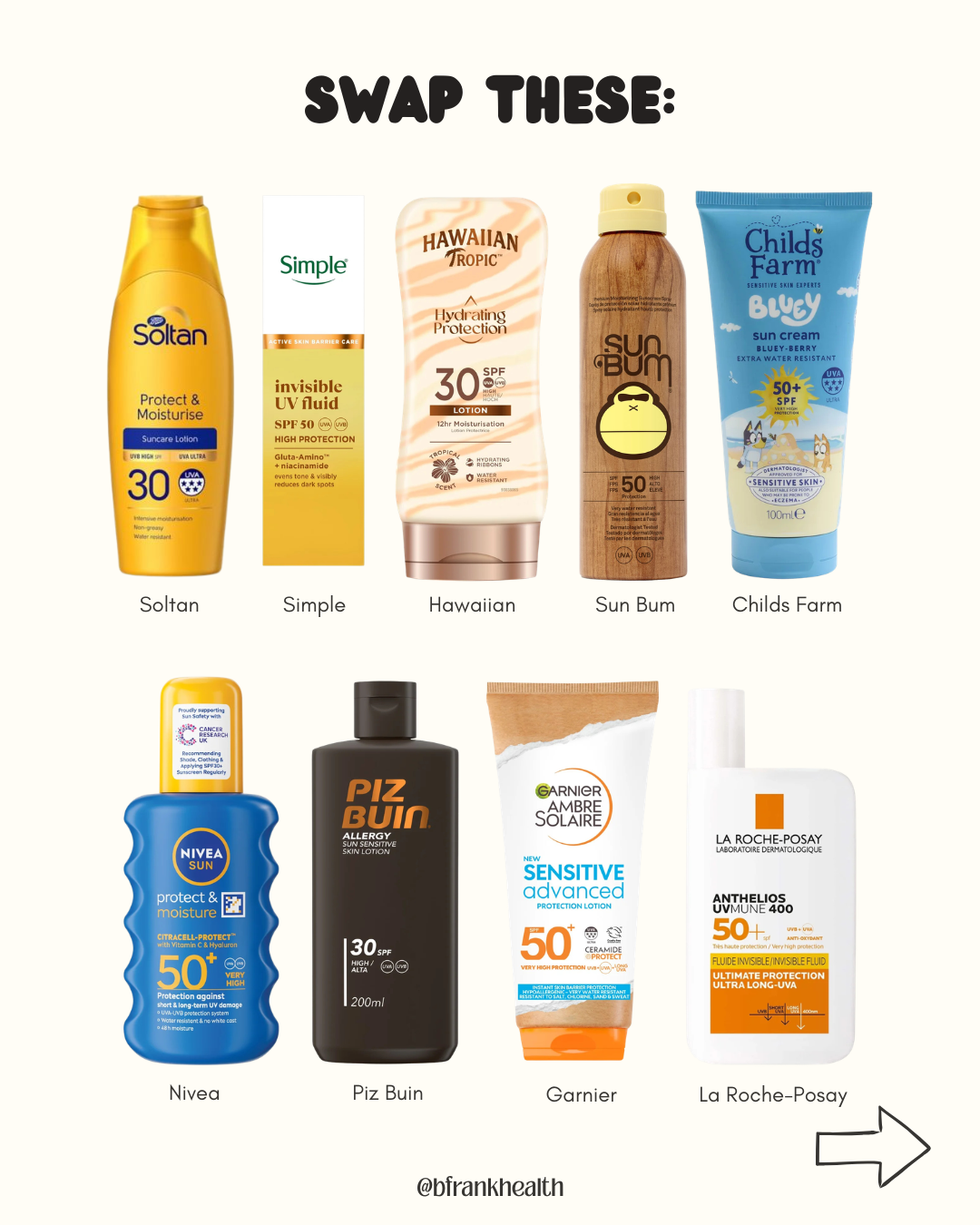
Common ingredients to look out for:
Alcohol Denat - can dry and weaken the skin barrier, increasing sensitivity and post-sun inflammation.
Avobenzone (Butyl Methoxydibenzoylmethane) - a chemical UV filter linked to skin reactions and environmental persistence.
Octocrylene - can cause contact dermatitis and photo allergic reactions in sensitive skin, and has been found to accumulate in the body with repeated use.
Octisalate (Ethylhexyl Salicylate) - may irritate sensitive skin and has shown weak hormone-disrupting activity in lab studies.
Acrylates Copolymers (microplastics) -synthetic polymers that do not biodegrade and accumulate in waterways.
Cyclopentasiloxane - a volatile silicone that improves texture but is environmentally persistent and can trap heat or other ingredients against the skin.
Triethanolamine (TEA) - can be irritating and may form harmful by-products when combined with certain preservatives.
Disodium EDTA - persists in wastewater and rivers and can increase the mobility of heavy metals in water systems.
Fragrance/Parfum - an umbrella term that can hide hormone disrupting chemicals and allergens.
Thankfully, there are safer UV filters that are not shown to bioaccumulate in humans or pose risk to the environment.
Non-nano Zinc Oxide
This is the most common one used in natural SPF products because it provides broad spectrum protection - UVA and UVB. It’s important that it is non-nano zinc oxide, which stays sitting on top of the skin. It’s not hormonally active and it’s much safer for marine life.
Non-nano Titanium Dioxide
This is generally seen with zinc oxide as it provides only good UVB protection. Again the non-nano version sits on the skin with low absorption rates. Environmentally, it’s much gentler than the traditional chemical filters.
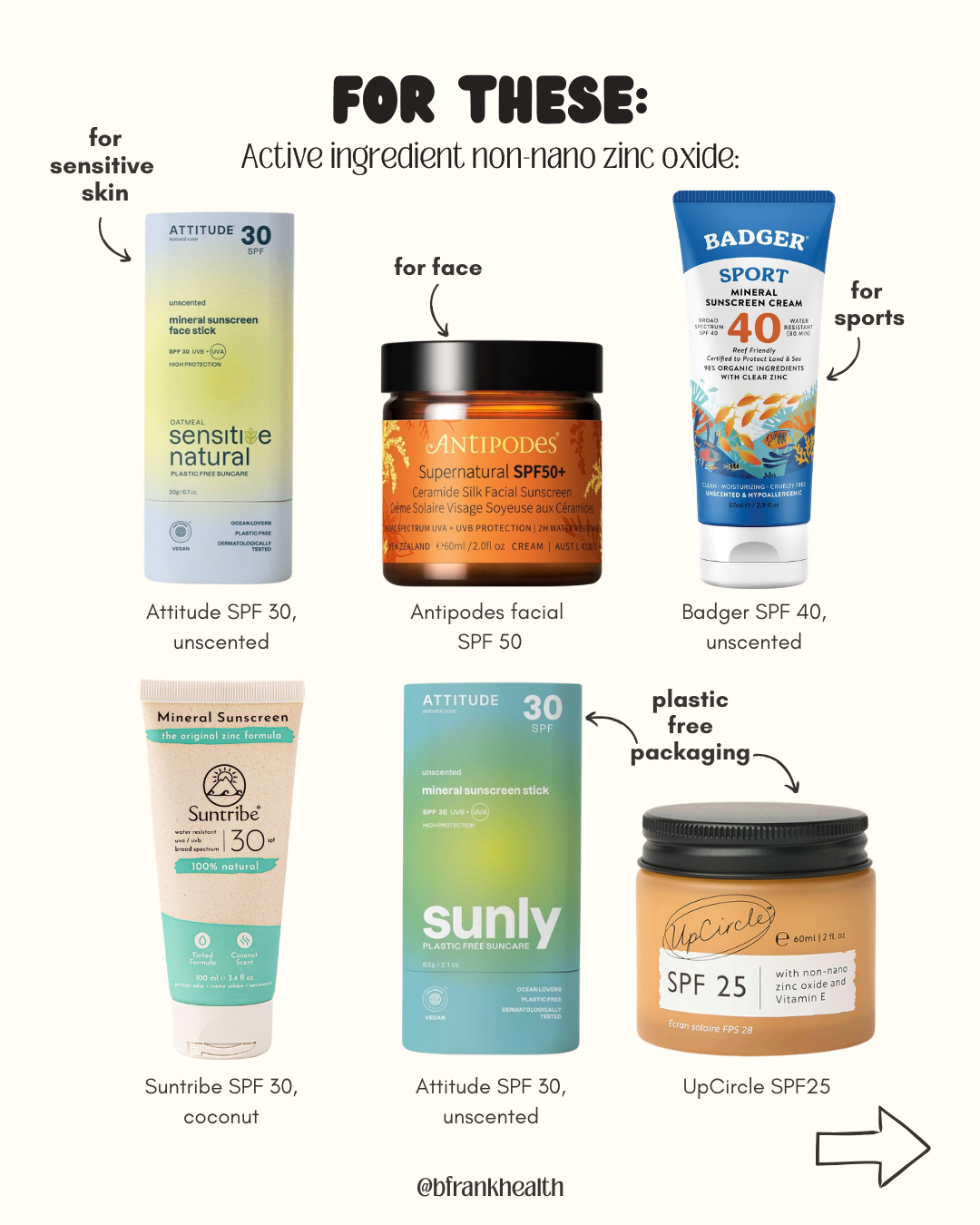
Mineral based SPF’s:
Attitude SPF 30, unscented, sensitive skin
Antipodes SPF 50, facial, glass packaging
Badger SPF 40, sport
Suntribe SPF 30, coconut scented
Attitude SPF 30, unscented, plastic free packaging
Upcircle SPF 25, plastic free packaging
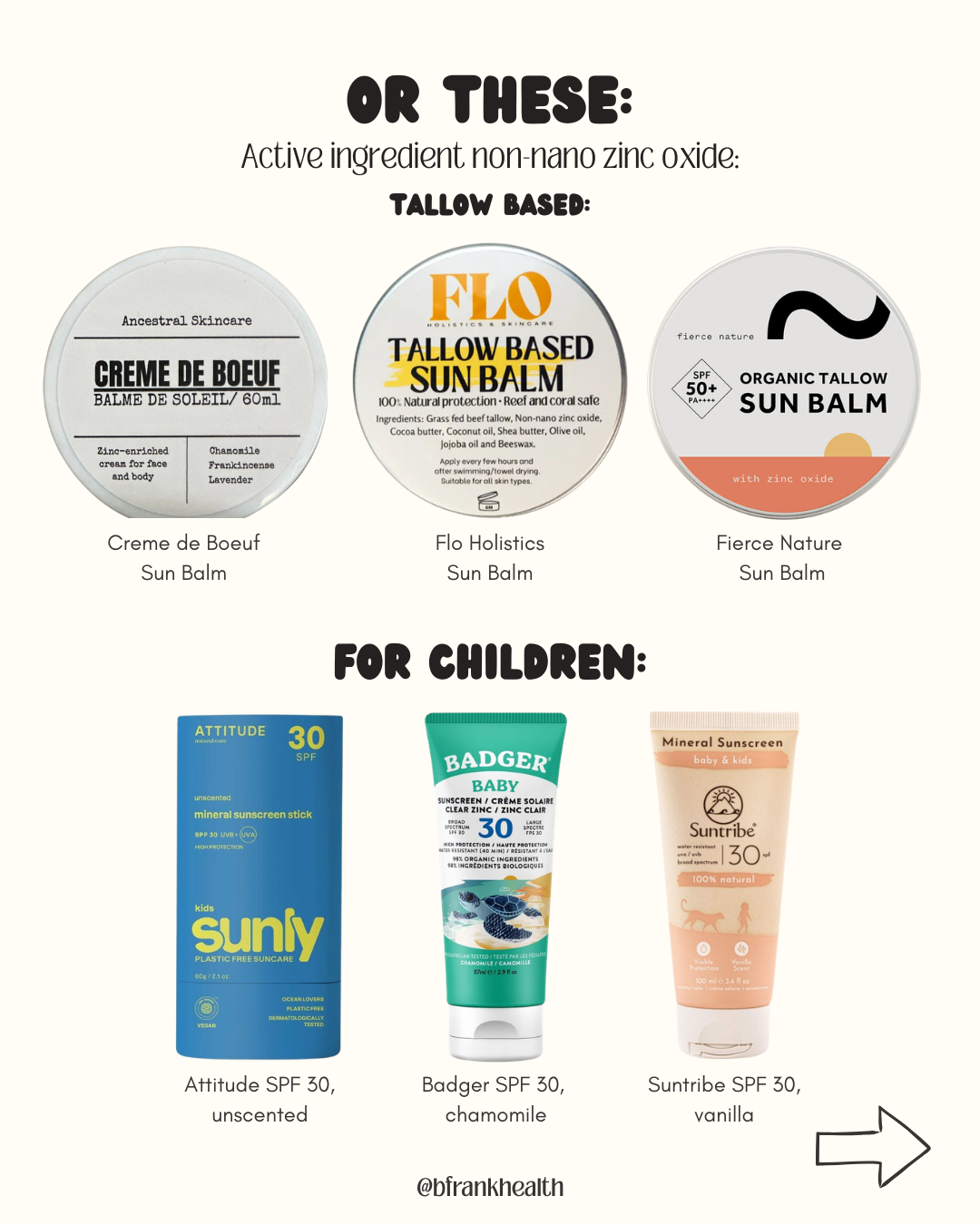
Creme de Boeuf, tallow sun balm, small business - hand made in small batches
Flo Holistics, tallow sun balm, small business - hand made in small batches
Fierce Nature SPF 50, tallow sun balm - 15% off when you shop through the link
Attitude SPF 30, unscented, for kids, plastic free packaging
Badger SPF 30, chamomile, for kids
Suntribe SPF30, vanilla, for kids
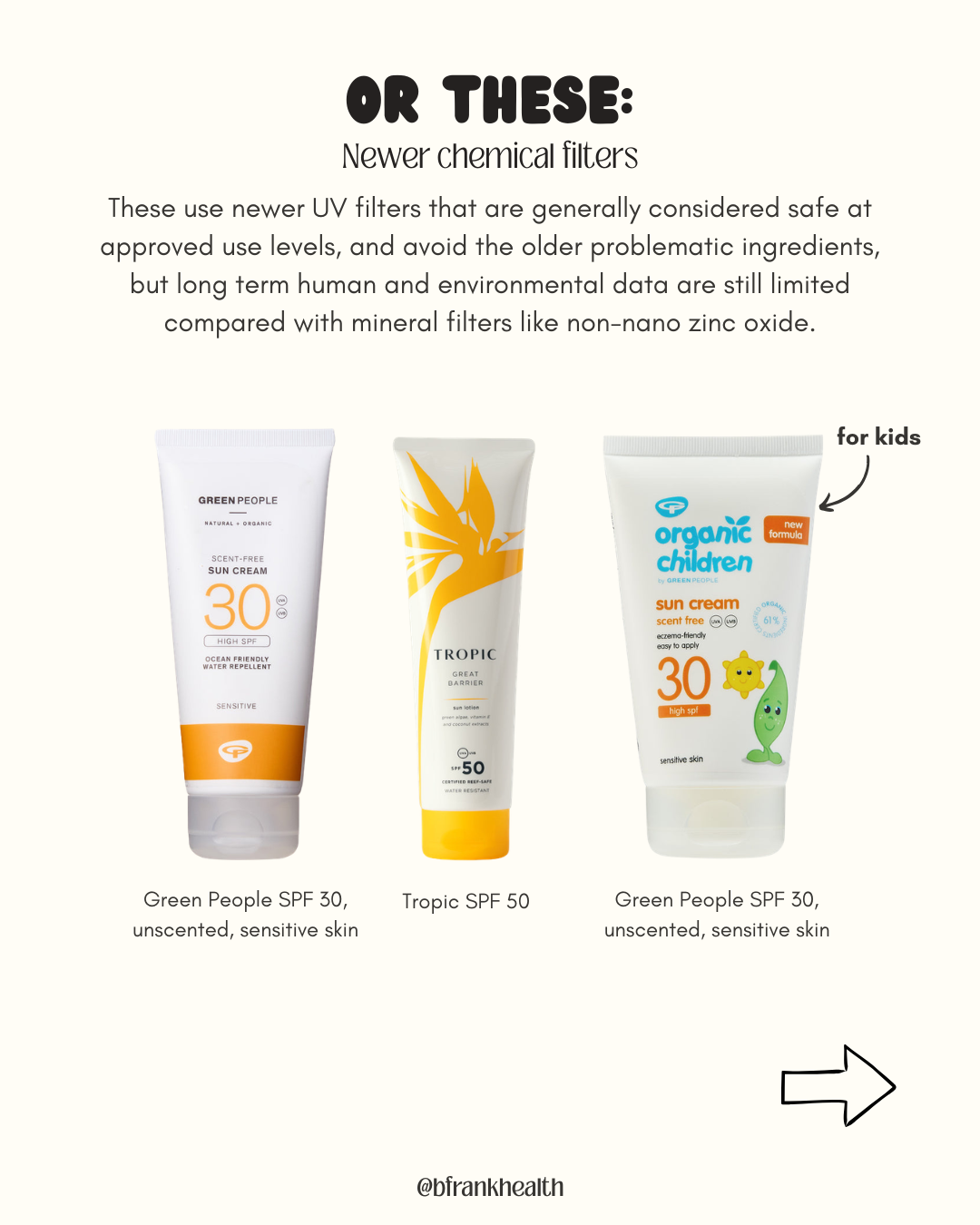
New chemical filters:
Green People SPF 30, unscented, suitable for sensitive skin
Green People SPF 30, for kids