

Why autumn can leave you feeling rubbish, and what your body needs as the seasons change.
“Isn’t it getting dark in the evenings now?” - says every Brit almost daily throughout October. Yes, cosy season is upon us! The air is colder, damper, heavier.
Whether you’re sad to have said bye to summer or excited sweater weather has arrived, we still have bodies that need taking care of! The season change brings a few challenges, but with some simple lifestyle actions you can give yourself the best chance at feeling truly well every day.
Cosy season is also cold season…

The shift from the summer months into autumn and winter can make colds and flu more common for a few reasons.
1. Lack of fresh air
We spend more time inside, sitting in unventilated rooms with stagnant air, allowing germs to spread more easily.
2. Less time in nature and less grounding
Grounding is when you have your bare skin in contact with the Earth. Think barefoot on grass or sand, touching a tree, or going for a wild swim. There’s also the simple fact that being in nature is a very effective and free way to calm your nervous system and reduce stress. We know stress can affect the immune response, but I get it: dragging yourself out for a walk is much harder when the weather is grim.

3. Reduced daylight and less sun
The lack of sun on your skin means your body has less opportunity to produce vitamin D. When UVB rays hit your skin, a chain reaction happens to turn a type of cholesterol into the usable form of vitamin D, which is technically a hormone.
Vitamin D is essential for so many areas of the body, including regulating calcium and phosphate absorption, bone mineralisation, mood regulation, cell growth and, you guessed it, immune function.
There’s a high chance you’re getting to work when the sun is barely up and getting home when it’s setting, missing the opportunity to get the sun's rays on your skin.
4. Our immune systems have to work harder
Cold air outside and dry air from central heating can dry out the mucous membranes in your nose and throat. These membranes act as a first line of defence, trapping and neutralising things like dust, bacteria and viruses before they can reach the lungs. When they’re dry, they may be less effective.
5. Seasonal cues change immune function
Our immune systems adapt to seasonal cues. More and more research is exploring how closely linked to nature humans are. I think we all, even if it’s subconsciously, know this without needing a study to tell us, but it’s still very interesting to know the science behind it.
Researchers at Cambridge University have discovered that certain genes are more active in summer than in winter, which they say can help explain why some diseases are worse in winter.
Circadian disruption: your body clock needs daylight
Shorter, darker days, coupled with less time spent outside when it’s light, confuse the heck out of our cells.
We can look at a clock to know what time it is, but our bodies use light. Light receptors in our eyes help anchor our internal body clock, AKA our circadian rhythm. Humans are diurnal beings, meaning we are awake in the day and asleep at night, and our cellular function reflects this.
These light receptors signal to the body which biological processes should be happening and when.
Sleep-wake cycles, hormone release, body temperature, digestion, immune function, brain alertness, cellular repair and mood are all influenced by your circadian rhythm.
Imagine wearing a blindfold and trying to guess what time of day it is. Or being under artificial lighting 24/7 with no access to a clock. Before long, your perception of night and day would be distorted.
This is a foundation on which the trajectory of our health is built. Due to the circadian disruption associated with working at night, people who regularly work night shifts or rotating shifts have a higher risk of several chronic diseases compared with those who work daytime hours. The World Health Organisation has classified night shift work involving circadian disruption as a Group 2A, or probable, carcinogen.
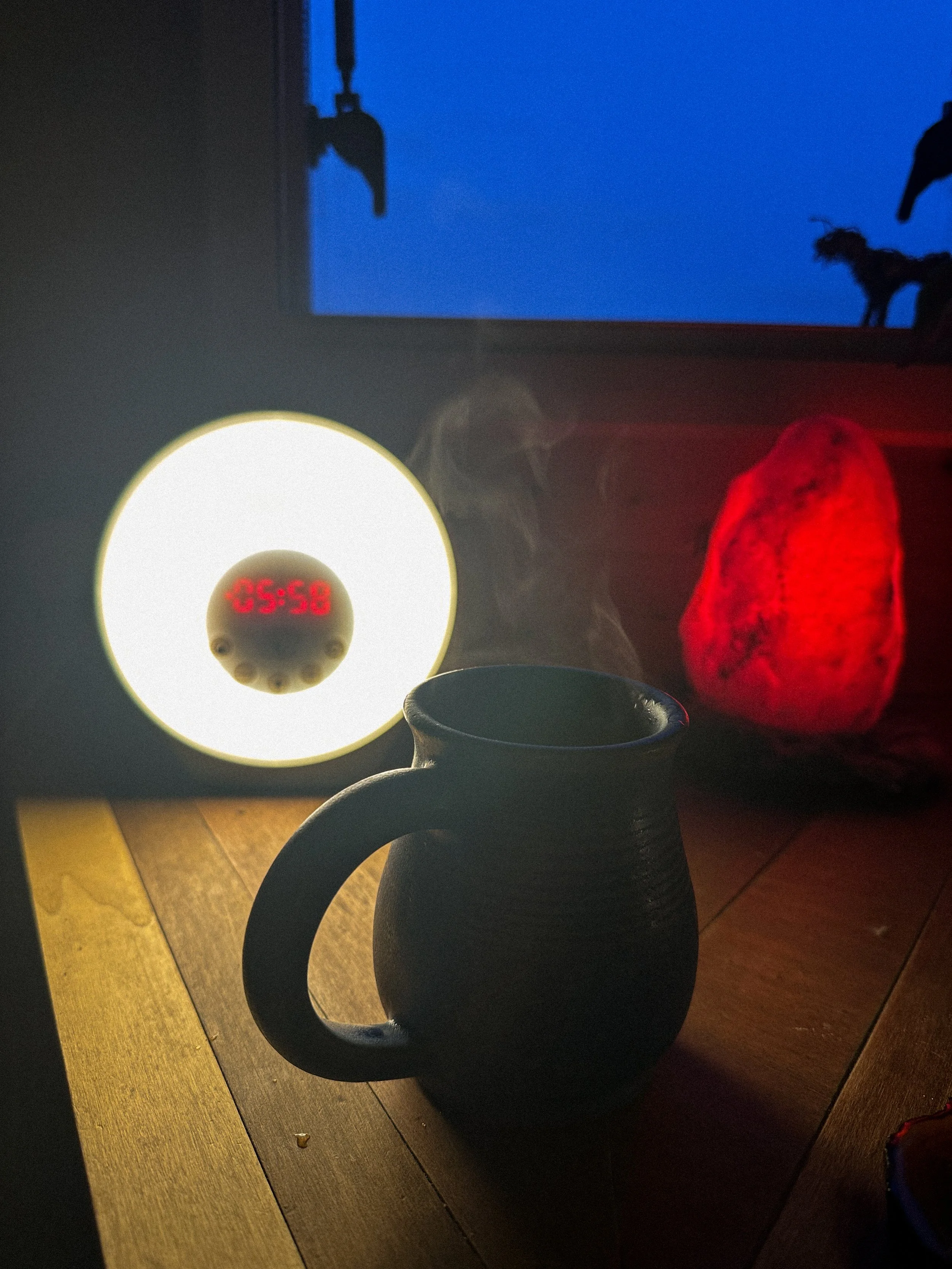
Seasonal Affective Disorder (SAD)
It’s no wonder this is the time of year when Seasonal Affective Disorder (SAD) becomes more prevalent.
SAD is a type of depression that follows the seasons. It usually begins in autumn, continues throughout winter and starts to subside in spring. Reduced daylight exposure is one of the possible contributing factors.
It’s pretty easy to see why circadian disruption might play a role, especially when we look at two neurotransmitters that are important for mood and sleep.
Serotonin
The “feel-good” neurotransmitter. Serotonin is produced in large amounts in the gut, and its production and regulation are influenced by several factors, including light.
Its jobs include:
Regulating mood.
Acting as a precursor to melatonin, which is essential for the sleep-wake cycle.
Helping control hunger and gut motility.
Being involved in body temperature regulation.
Influencing sensitivity to pain.
Melatonin
The sleep hormone. Melatonin is produced primarily by the pineal gland in the brain in response to darkness.
Its jobs include:
Supporting the sleep-wake cycle.
Influencing mood through its relationship with sleep and other biological processes.
Supporting immune function through antioxidant and anti-inflammatory activity.
Helping coordinate nighttime processes involved in recovery.
Artificial light in the evenings can interfere with the signals your body uses to distinguish day from night. This can affect melatonin production, making it harder to fall asleep and potentially reducing sleep quality.
Not only does a poor night's sleep make us feel pretty rubbish, but it can also affect our mood and energy the following day.
Even if you don’t officially have SAD, it’s common for reduced daylight and changes to our daily routines to affect how we feel. In an ideal world, we would all change our routines to be in alignment with the light, but we know for most of us, that simply isn’t an option.
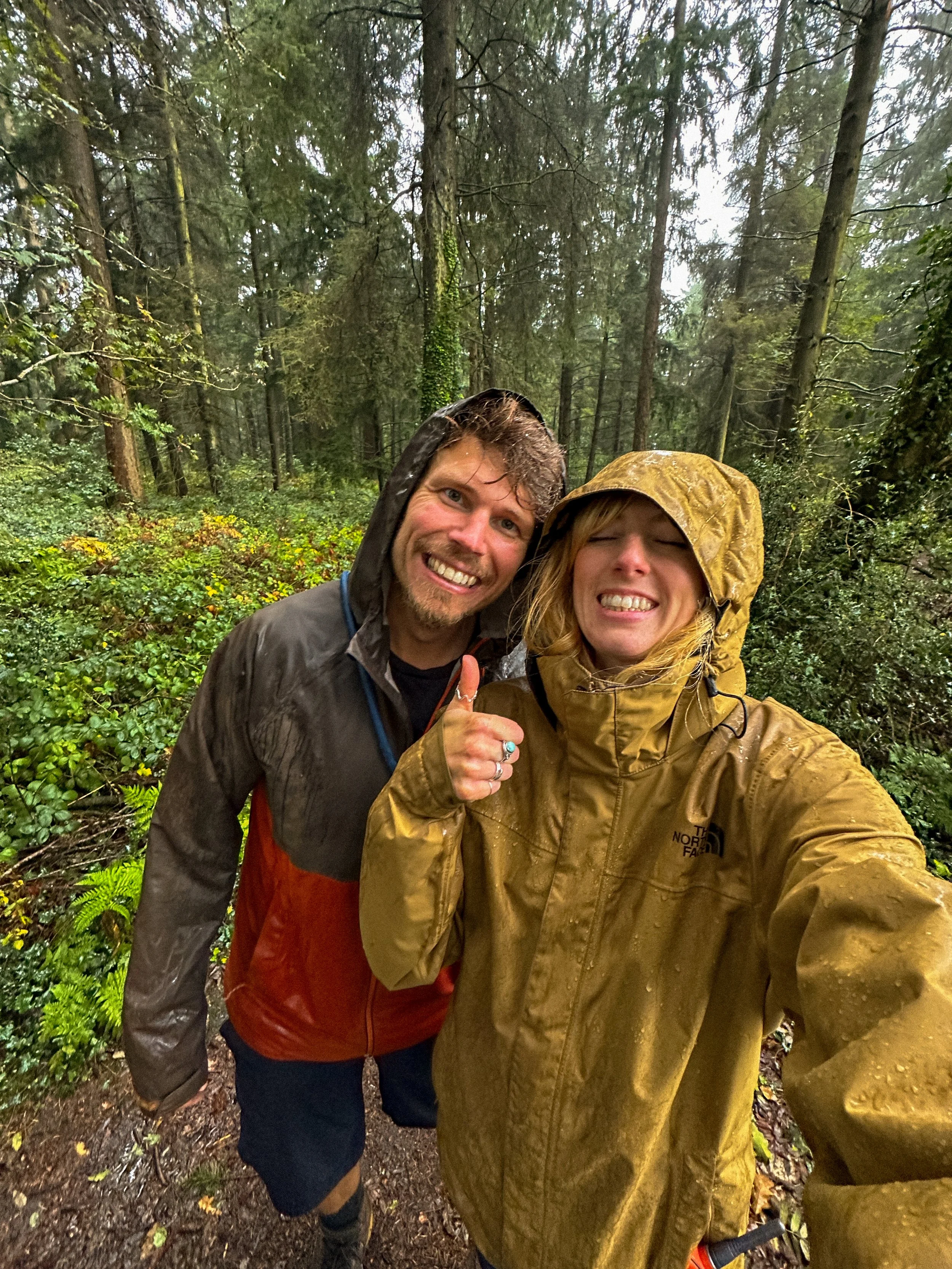
Sedentary behaviour: the winter sofa trap!
When it comes to movement, it’s as simple as this:
Use it or lose it.
Cold, dark evenings can reduce how much time you spend moving your body. Lack of daylight can make us feel lethargic, so it can feel even more of a challenge to commit to movement.
After a long day, your brain is tired and craves easy rewards. It’s very easy to fall into the habit of spending your evenings in front of a screen, which gives you quick dopamine without much effort. But there can be a snowball effect on your health here:
It encourages sedentary behaviour.
It can disrupt sleep, both in the time it takes to fall asleep and the quality of that sleep.
The following day, you may find yourself waking up feeling sluggish and craving those easy rewards, like screens and sugary drinks or foods, for another quick hit.
Sitting for long periods throughout the day is an established risk factor for many preventable diseases, including cardiovascular disease, high blood pressure and insulin resistance.
Sedentary behaviour, such as sitting in front of a screen for work and then spending the evening sitting in front of another screen, can contribute to poor health even if you exercise at other times.
It all seems pretty grim, doesn’t it?
But there’s good news: there are simple ways to support your body as we move towards winter. You can start by getting more natural light, making time for movement, eating seasonally and creating an evening routine that works with your body clock. You can read more about these in detail here: 5 simple ways to feel your best this autumn and winter.
In the next post, we’re talking seasonal food, British produce and what happens between the field and the supermarket shelves!
Love, Amy x