

Why I try to eat local and seasonal produce, and why “fresh” doesn’t always mean freshly picked.
Nature is clever. Every year, we move through the seasons, and the food available to us changes alongside them. There’s a reason summer brings an abundance of juicy berries, stone fruits and water-rich vegetables, while autumn and winter give us root vegetables, squashes and brassicas.
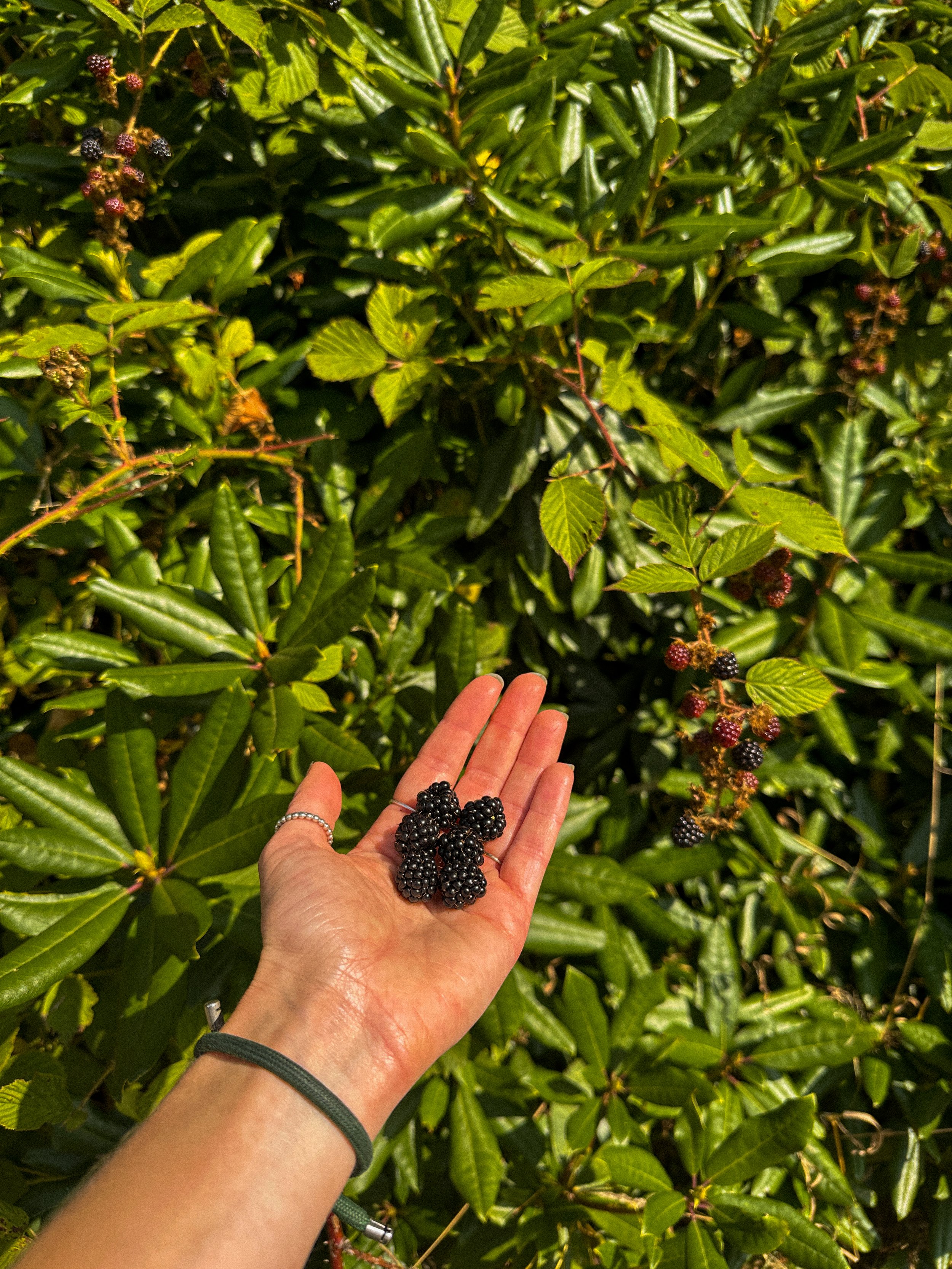
Summer fruits provide readily available carbohydrates for energy, alongside water to support hydration, and antioxidants that help protect our cells from oxidative damage. Their high water content can be particularly helpful during warmer weather, when we lose more fluid through sweating. As the days get shorter and temperatures drop, nature gives us more substantial plant foods. Potatoes, carrots, parsnips and winter squash provide more complex carbohydrate for slower release energy, reflecting the slower pace of life we are meant to be living in the colder half of the year.
Our bodies evolved alongside these seasonal rhythms, with daylight, temperature and food availability changing throughout the year. We can now access almost any food at any time, which on the surface of it seems like excellent advancement. But we all know that eating a “fresh” strawberry in June vs December is a vastly different experience. And is that a surprise when you really think about it? Every living thing has environments in which we flourish, in which we just about survive, and in which we - to be blunt - die. Artificially replicating the conditions of nature to grow produce in huge factories is simply not going to produce the same quality food that would be grown in its appropriate growing season under natural daylight. For further reading on the topic of how light influences our food and biology, see Dr Jack Kruse.
The question that needs pondering is this: nature changes, why don’t we? Or rather, why did we stop?
Benefits of eating seasonal and local wherever you can:
1. A more varied diet
Eating what’s in season encourages you to switch up your fruit and veg throughout the year, helping you enjoy a wider range of plant foods and the different nutrients they provide. I always think I’m going to miss what I’m currently eating when it’s natural growing season ends, but having been prioritising seasonal eating for a few years now, I can tell you I don’t at all! Now I find I naturally stop craving plants when they near the end of their season, and begin craving the next season’s offerings.
2. Fresh, flavourful produce
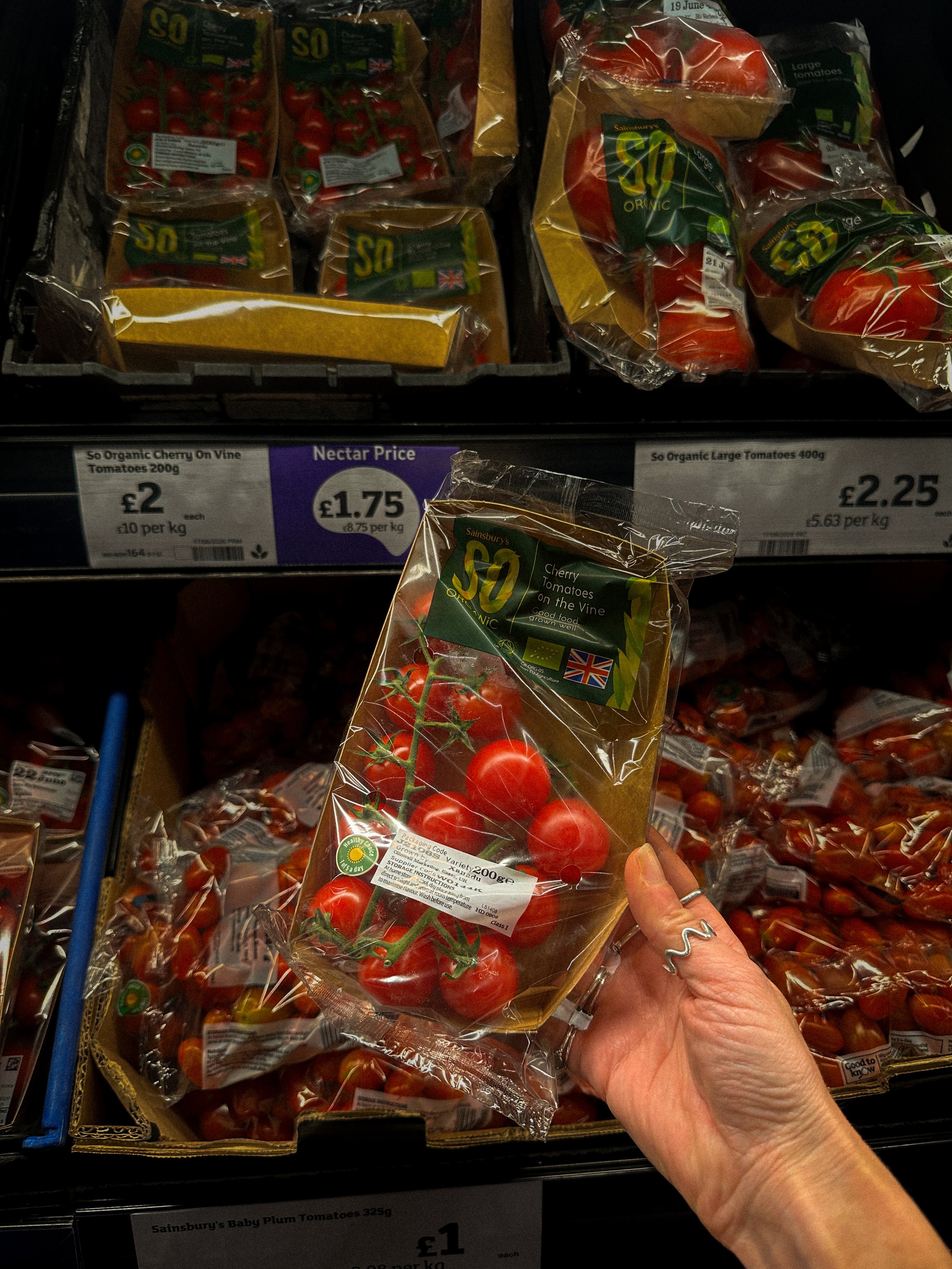
Seasonal produce can be harvested closer to its natural peak ripeness. Think about a tomato harvested in season and sun-ripened on the vine compared with one picked early in another country and ripened in transit. The flavour alone can be worlds apart! Depending on how it’s handled, it can also contain more of certain vitamins, minerals and antioxidants.
3. Better value for money
When produce is in season and readily available, it can be more affordable. Shopping with the seasons can help you make the most of your food budget and build meals around what’s plentiful.
4. Supporting British farmers
Choosing British seasonal produce helps create demand for food grown closer to home and supports the farmers and growers who produce it. Look out for farm shops, farmers’ markets, veg boxes and clear “country of origin” labels.
5. A lighter environmental footprint
Locally grown, seasonal food doesn’t come with long distance transport! There is also less reliance on energy intensive storage or heated greenhouses. The overall impact still depends on how the food is grown, of course, but it does all add up.
6. Reconnecting with nature
Eating seasonally gives you a reason to notice what’s growing, explore new ingredients and reconnect with the natural rhythms of the year. It can make cooking more creative, help you appreciate your food and bring a little more intention to everyday meals.
Start with a few seasonal swaps, see what you enjoy and build from there!
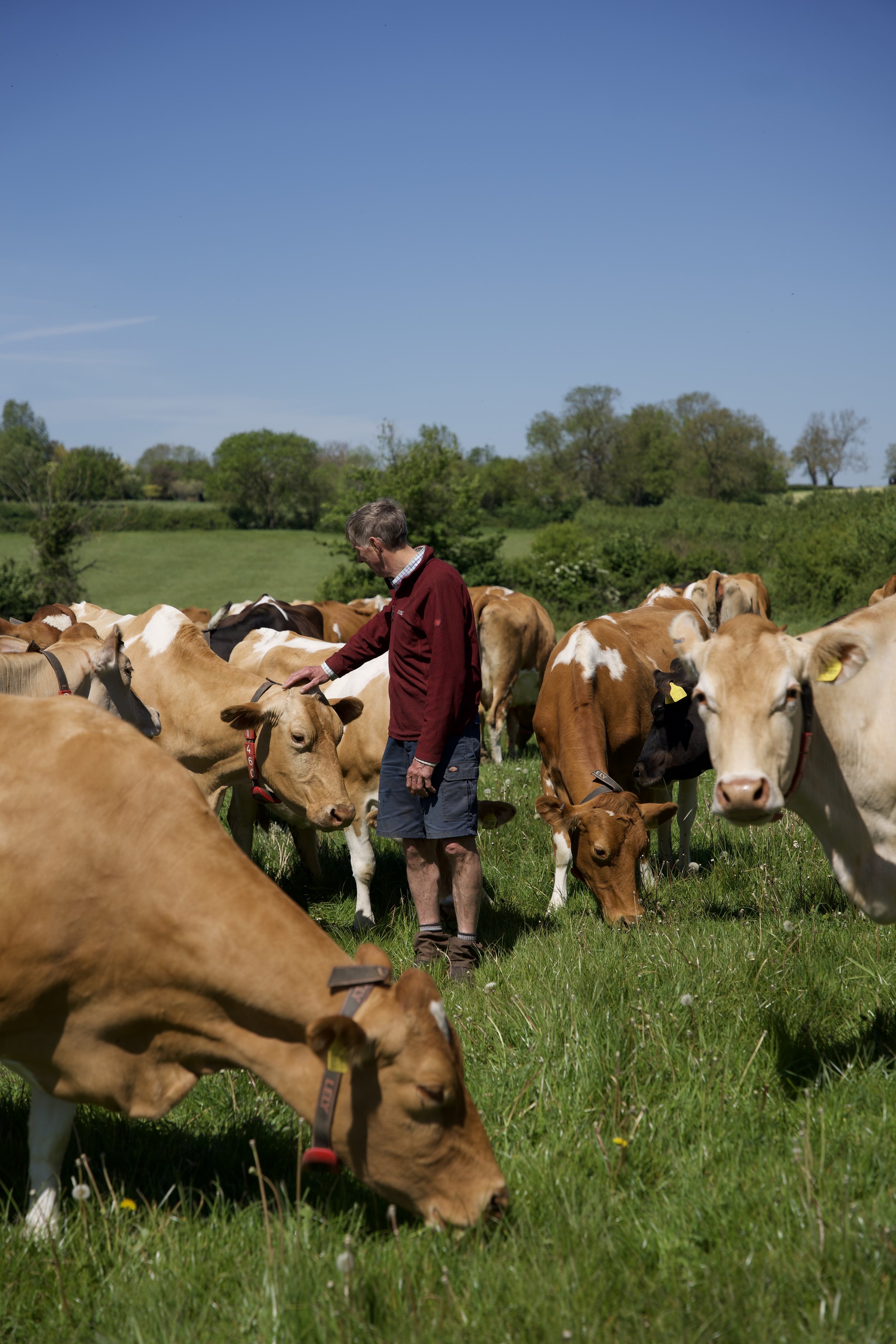
How to eat more local and seasonal food:
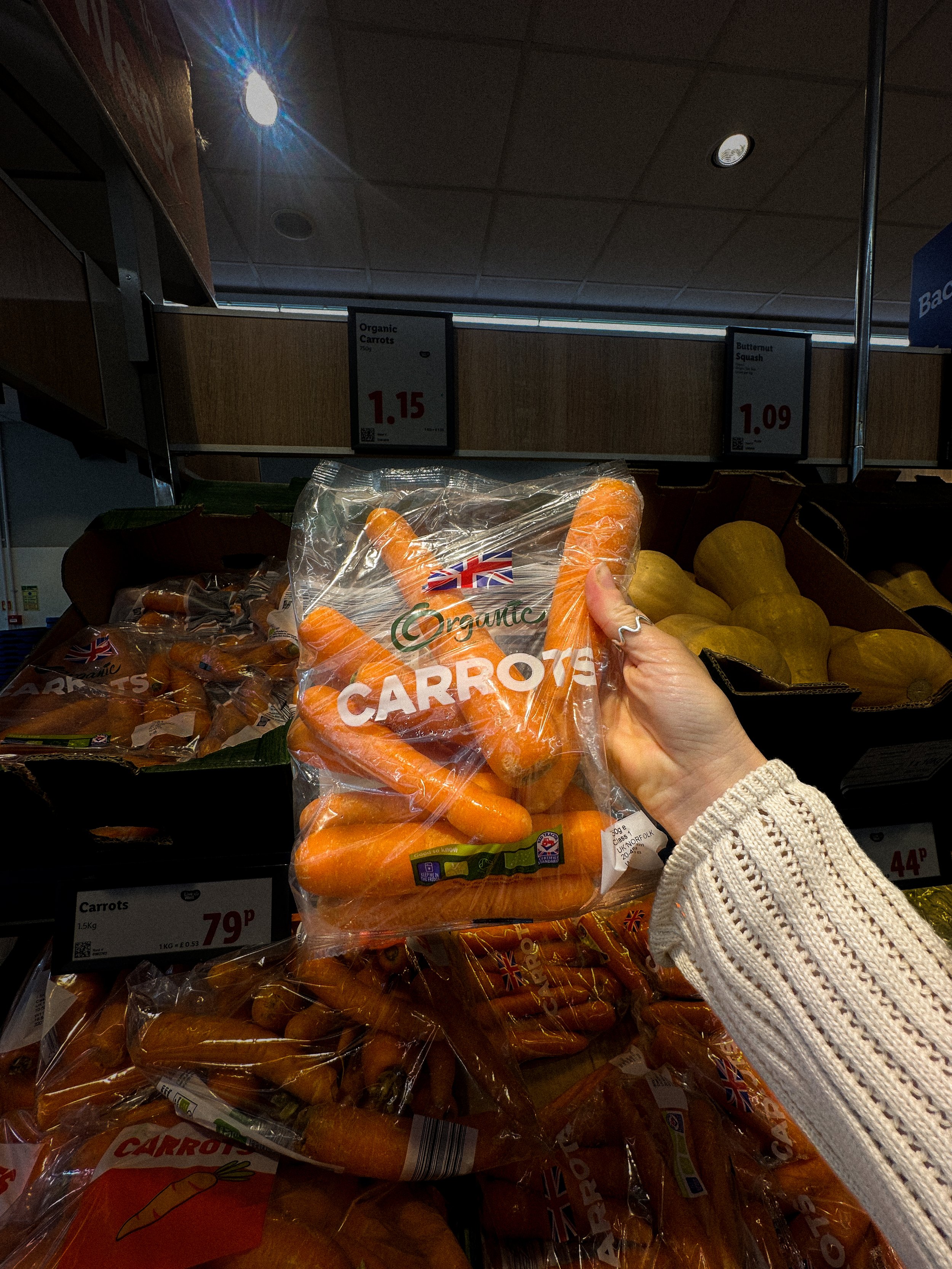
Check where your food comes from. Look for the British flag in supermarkets, but double-check the country of origin on the label.
Shop at local markets and farm shops. Ask where the produce comes from. Farm shops can also stock imported produce, so it’s worth checking.
Find a local farm. You can use the Organised Nutrition app to find farms near you. Riverford also offers seasonal vegetable boxes for delivery, although it’s worth checking the origin of the produce you receive.
Learn how food is stored and transported after harvesting. Some produce can be stored for months before it arrives on supermarket shelves. More on that below!
From field to the shelves
Controlled atmosphere storage slows the ripening of fresh produce by reducing oxygen levels, increasing carbon dioxide and keeping temperatures just above freezing. Under these conditions, certain produce can be stored for many months without major losses in texture or taste. This allows supermarkets to sell the same varieties throughout the year, even when they’re harvested during a much shorter window.
How long can fresh produce be stored?
Here’s an idea of the potential storage times for different types of produce. These are approximate ranges, and actual storage times vary depending on the variety, harvesting conditions, storage method and supply chain.
Vegetables
Potatoes: 6-9 months
Onions: 6-8 months
Carrots: 6-9 months
Pumpkins and squash: 4-6 months
Cabbage: 3-6 months
Garlic: 6-8 months
Leafy greens, including lettuce, spinach and kale: a few days
Fresh herbs, including basil, parsley and coriander: 1-7 days
Asparagus: 2-3 weeks
Broccoli and cauliflower: 2-3 weeks
Green beans: 1-2 weeks
Courgette: 1-2 weeks
Corn on the cob: 1-4 days
Fruit
British:
Apples: 6-12 months
Pears: 2-9 months
Strawberries, raspberries and blackberries: a few days
Blueberries: 1–10 days
Plums: 2-4 weeks
Cherries: 1-3 weeks
Kiwi: 4-6 months
Grapes: 1-2 months
Bananas: a few weeks, usually shipped green and ripened nearer their destination
Oranges: 3-6 months
Lemons: up to 6 months; sometimes treated to remove the green colour before sale
Peaches and nectarines: 2-4 weeks
Melons: 1-3 weeks
My thoughts…
Unfortunately, “fresh” doesn’t necessarily mean “just picked,” and “in season” doesn’t necessarily mean it was harvested in the past few days. Does this mean I’d never buy “fresh” supermarket produce again? Of course not! While the nutritional profile can degrade over the storage time (particularly more sensitive compounds like vitamin C), and there are questions around artificially ripened foods, it’s still produce grown from the Earth. But will I go out of my way (where I can) to eat as local and seasonal as possible? Yes! And is it my long term goal to grow my own food because I question the growing/storage conditions and nutritional value? Also yes!
Eating with the seasons can be a lovely way to reconnect with your food, support local producers and bring a little more variety to your plate. And if you’re wondering what else you can do to feel your best as the days get darker, my next post covers five practical ways to support your body through autumn and winter.